

The Hidden Costs of Hiring Uninsured Subcontractors
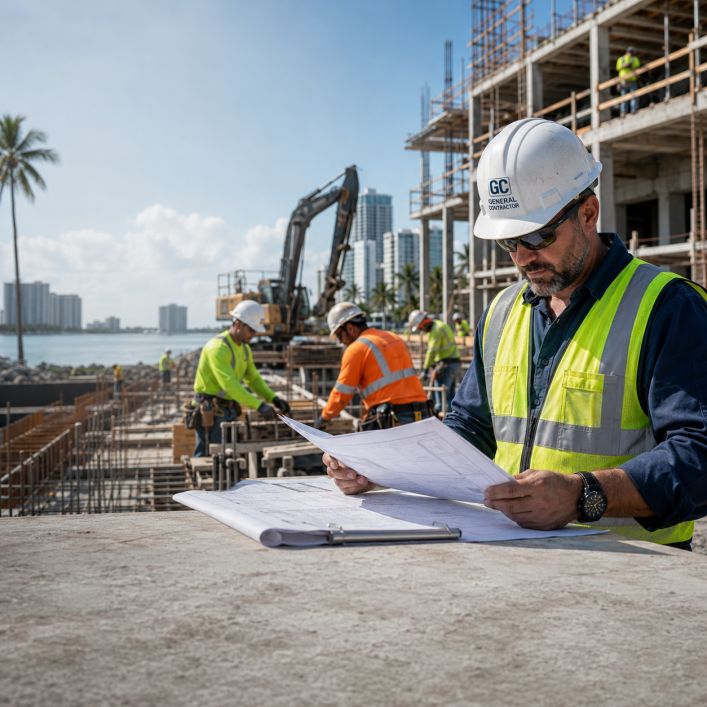
When hiring subcontractors, many businesses focus on finding the right expertise and keeping project costs under control. However, one critical factor is often overlooked: verifying that subcontractors carry their own valid insurance coverage.
While working with uninsured subcontractors may seem like a way to save money upfront, the long-term financial and legal risks can be substantial.
The Risks of Using Uninsured Subcontractors
1. Increased Liability Exposure
If a subcontractor causes property damage, injury, or other losses while working on your behalf, your business could become the target of insurance claims or lawsuits. Without their own insurance policy to respond to these incidents, the responsibility may fall directly on your company.
2. Higher Insurance Costs
Many business owners don't realize that uninsured subcontractors can increase insurance expenses in several ways:
- Higher workers' compensation or general liability premiums following an audit.
- Increased premiums after claims involving uninsured subcontractors.
- Reduced marketability to insurance carriers, leading to higher rates and fewer coverage options.
3. OSHA Violations and Safety Risks
Subcontractors who fail to maintain proper insurance often lack adequate safety and loss-control programs. This can expose your business to OSHA violations, workplace accidents, and potentially significant fines.
4. Reduced Competitive Advantage
Higher insurance costs and increased risk exposure can make it more difficult to submit competitive bids on future projects. Over time, these additional expenses can directly impact profitability and growth.
5. Damage to Your Reputation
Your company's reputation is one of its most valuable assets. When something goes wrong with an uninsured subcontractor, clients often associate the problem with your business. A single incident can damage trust and impact future opportunities.
The Benefits of a Strong Subcontractor Management Program
Implementing a subcontractor management program helps protect your business while creating a safer and more efficient work environment.
Reduce Claims and Lawsuits
Working only with insured subcontractors helps ensure that liability is appropriately assigned. Their insurance carriers can respond to claims related to their work, reducing your exposure.
Minimize OSHA Violations
A structured subcontractor management process encourages safer job sites and helps verify that subcontractors maintain proper safety practices and insurance coverage.
Lower Insurance Costs
By ensuring all subcontractors carry valid insurance, businesses can often avoid premium increases associated with uninsured exposures and claims.
Strengthen Your Reputation
Customers, partners, and insurance providers are more likely to trust companies that demonstrate strong risk management practices. A formal subcontractor management program signals professionalism, responsibility, and operational excellence.
Protect Your Business Before Problems Arise
Verifying insurance coverage should be a standard part of every subcontractor onboarding process. A proactive approach can help reduce liability, control insurance costs, improve safety, and protect your company's reputation.
Before your next project begins, make sure every subcontractor has the proper insurance coverage in place. The cost of verification is small compared to the potential consequences of overlooking it.